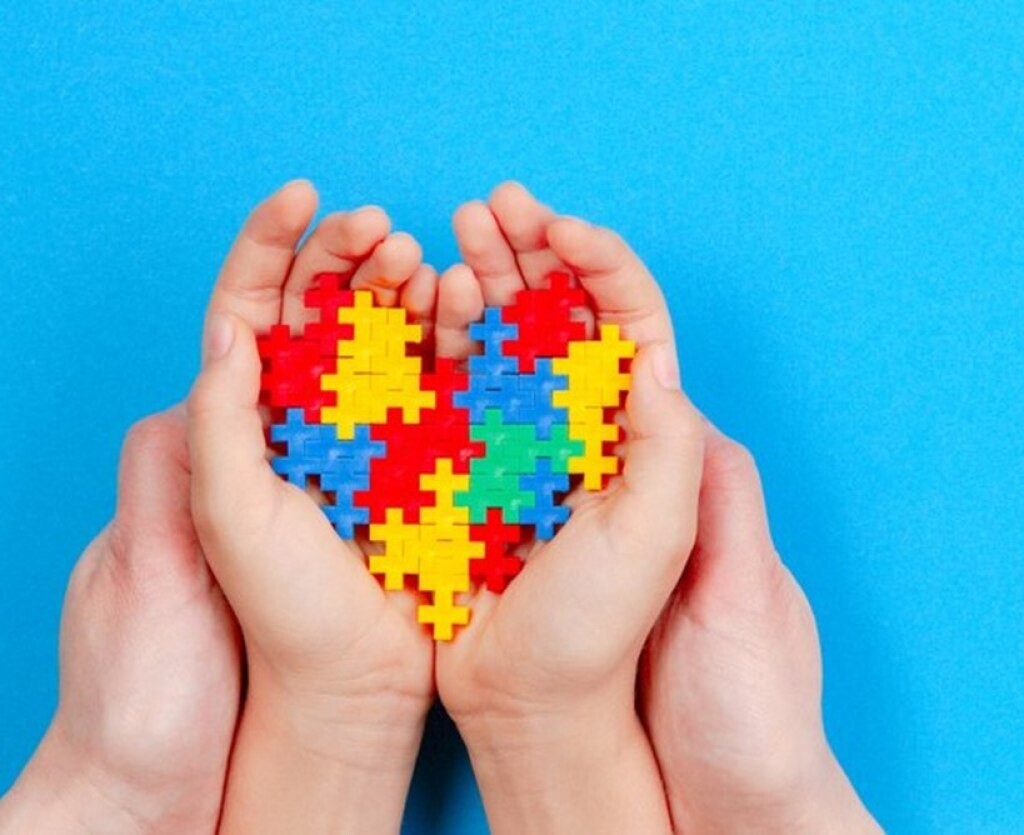
In this context, it is crucial to debunk some common beliefs: autism is not a disease, but a neurodevelopmental condition. Similarly, many people with autism wish to connect with others, although they may do so in different ways or require support in social communication, while not all people with autism have an intellectual disability, and the diagnosis is not always made in early childhood: in some cases, it can be made later. It is important not to attribute all situations or difficulties to the diagnosis, since people with autism, like anyone else, can go through various emotional, medical, educational, or social experiences. “Each person with autism has their own profile, with particular ways of communicating, learning, and participating in daily life. Recognizing this diversity implies promoting more accessible, flexible, and respectful environments of the different needs,” the specialist specified. Respect, inclusion, and participation are fundamental to favor development and quality of life. This involves listening to the voices of people with autism, considering their experiences, and generating real opportunities in education, social life, the community, and the workplace. Building a more inclusive society implies valuing diversity, reducing barriers, and generating contexts where all people can participate, learn, and develop fully.